
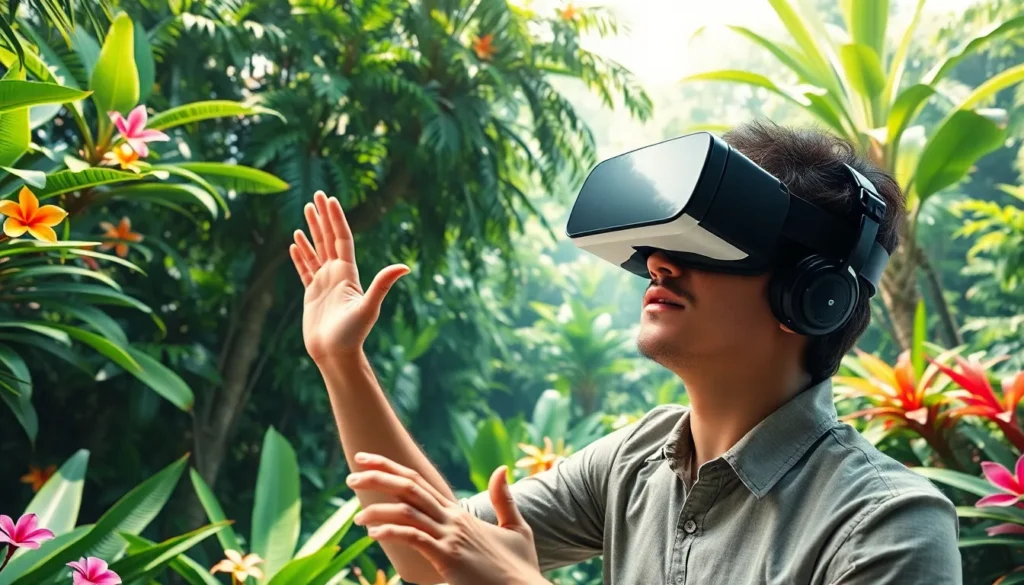
Imagine stepping into a world where the mountains are as majestic as your wildest dreams and the forests whisper sweet nothings. VR nature simulations are transforming the way people experience the great outdoors, offering a front-row seat to nature’s wonders without the pesky bugs or unpredictable weather. Who needs hiking boots when you can don a headset and explore lush landscapes from the comfort of your couch?
Overview of VR Nature Simulations
VR nature simulations immerse users in realistic environments, showcasing diverse ecosystems and breathtaking landscapes. With climate variations, individuals can explore tropical rainforests, arid deserts, or tranquil beaches, all while enjoying the visual splendor without physical limitations. Enhanced graphics and sound effects contribute to the lifelike experience, allowing users to engage with nature’s beauty.
Many applications focus on education, offering interactive experiences that teach users about flora and fauna. Researchers utilize VR to study ecological patterns, making the technology essential for scientific exploration. Developers create simulations that cater to various interests, including adventure, meditation, and wildlife exploration.
User experience plays a crucial role in the appeal of VR nature simulations. Comfort and accessibility enhance engagement, allowing users to explore at their own pace. Popular VR platforms support intuitive controls, making navigation seamless and enjoyable. Sessions often provide feedback on user interactions, fostering a deeper connection with the virtual environment.
Some simulations integrate gamification elements, encouraging exploration and discovery through challenges. Players might collect virtual specimens or complete tasks that enhance their understanding of nature. Such features not only entertain but also promote greater awareness of environmental issues.
The growing interest in VR nature simulations reflects a broader trend toward digital experiences. Individuals seeking relaxation, inspiration, or education find value in these immersive landscapes. As technology advances, the potential for even more sophisticated simulations expands, promising new avenues for both entertainment and learning.
Benefits of VR Nature Simulations
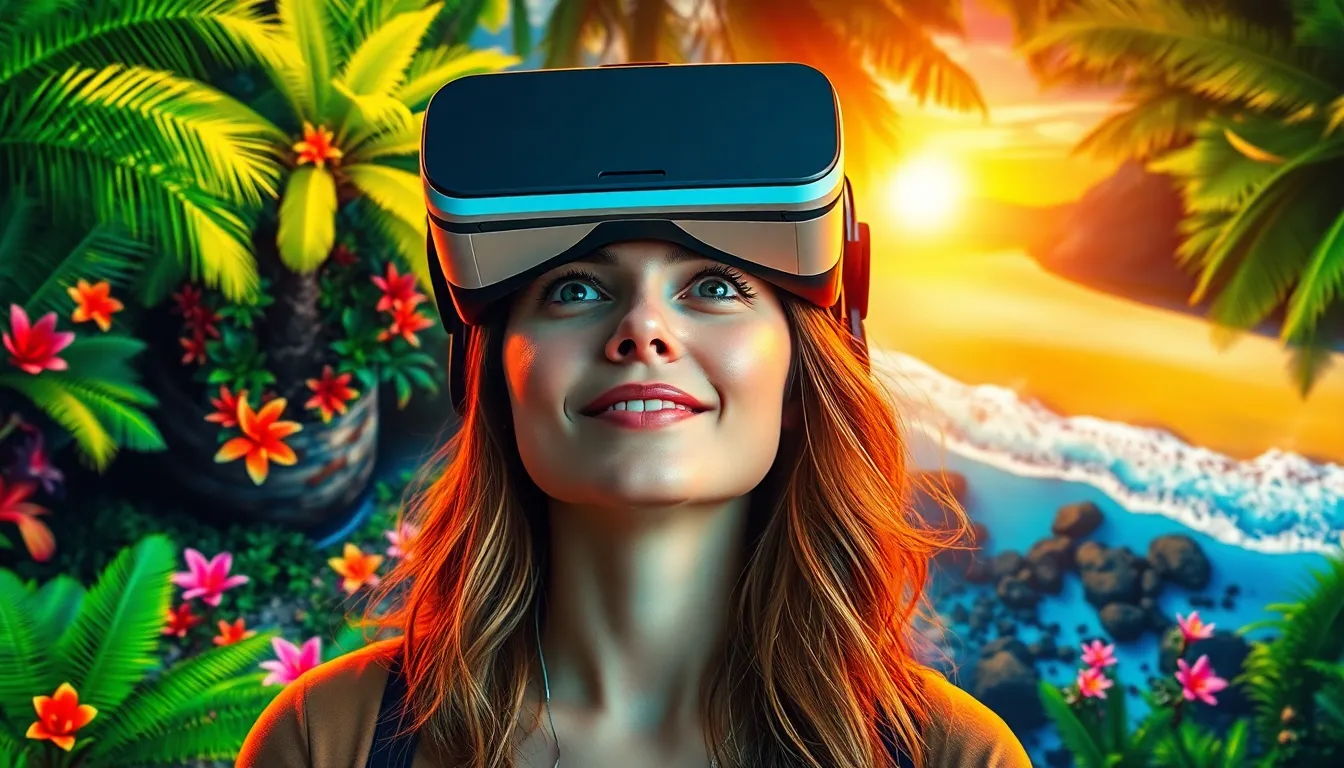
VR nature simulations offer multiple benefits that enhance both personal well-being and educational experiences. Immersion in lifelike environments captivates individuals like never before.
Immersive Experiences
Engagement in VR nature simulations transports users into stunning landscapes. Users can explore tropical rainforests, arid deserts, and serene beaches. Enhanced graphics and immersive sound create a realistic atmosphere, making it feel as if individuals are truly in these environments. Intuitive controls help navigate seamlessly, fostering a deeper connection with nature. Learning about diverse ecosystems and the intricacies of flora and fauna becomes an interactive adventure. Different applications cater to unique interests, whether seeking tranquility or educational enrichment. Users often express satisfaction through their explorations, highlighting the value of these immersive experiences.
Stress Reduction
Experiencing nature virtually contributes significantly to stress reduction. Immersion in serene landscapes promotes relaxation and enhances mood. Scientific studies indicate that exposure to natural settings, even simulated, lowers cortisol levels. Users frequently report feeling rejuvenated after sessions, likening the experience to actual outdoor escapades. Engaging with calming visuals and soothing sounds from various ecosystems effectively alleviates anxiety. Through VR, individuals escaping daily stressors can cultivate a sense of peace. Enhanced accessibility ensures that anyone can enjoy these benefits, regardless of physical limitations or environmental factors.
Applications of VR Nature Simulations
VR nature simulations find numerous applications across various fields, enhancing both learning and therapeutic practices.
Education and Training
Education utilizes VR nature simulations to create immersive learning experiences. Students explore different ecosystems, from coral reefs to rainforests, gaining firsthand knowledge of biodiversity. Interactive lessons engage users, fostering a deeper understanding of environmental science. Instructors incorporate VR into curriculum frameworks to teach concepts like climate change and conservation. Training programs benefit as well, especially in fields like biology and environmental studies. Simulations provide a safe space for students to observe wildlife and ecosystems without real-life risks. Successful educational outcomes often link directly to increased engagement and retention of information.
Therapy and Rehabilitation
Therapy employs VR nature simulations to aid mental health and rehabilitation. Patients experiencing anxiety or depression find relief in serene virtual environments. Exposure to calming landscapes promotes relaxation, reducing stress levels significantly. Therapists use these simulations during sessions, creating a comfortable atmosphere for discussions. For individuals with physical disabilities, VR provides an opportunity to engage in nature experiences they might not access otherwise. Studies indicate that incorporating nature into therapeutic practices enhances emotional healing and well-being. The versatility of VR in therapy demonstrates its effectiveness in facilitating holistic recovery processes.
Popular VR Nature Simulation Programs
Several VR nature simulation programs stand out for their engaging experiences.
Wander offers users the chance to explore real-world locations through a virtual lens. Users can visit famous landmarks and natural wonders, immersing themselves in diverse environments without leaving home.
Nature Treks VR emphasizes relaxation and mindfulness, allowing users to create and explore beautiful landscapes. Users can manipulate the environment, making it tailored to their preferences, enhancing the calming experience.
Google Earth VR serves as a powerful tool for exploration. This application provides stunning visuals of global landscapes, enabling users to fly over mountains and dive into oceans. Its vast geographic coverage invites endless discovery.
Virry VR combines education and entertainment. This program focuses on animal interactions, allowing users to observe wildlife in their natural habitats. Users learn about ecosystems while experiencing the thrill of close encounters with various species.
The VR Nature Project specifically targets environmental education. Users engage with interactive content, gaining insights into climate change and conservation. This program connects users to ecological issues, fostering a sense of responsibility for the planet.
Ecosystem Explorers challenges users to solve real-world environmental problems. Users engage in simulations that mimic ecological interactions, promoting critical thinking and awareness about biodiversity.
These programs illustrate how VR nature simulations offer diverse and immersive experiences. Each simulation prioritizes user engagement and education, making significant contributions to personal well-being and understanding of the environment.
Future of VR Nature Simulations
Technological advancements promise to enhance VR nature simulations significantly. Features like artificial intelligence may create dynamic environments that adapt to user preferences. VR experiences could become increasingly personalized, allowing for tailored interactions with ecosystems.
Integration with other technologies holds potential for richer content delivery. Augmented reality could merge real-world and virtual explorations, creating hybrid experiences. Enhanced wearables might also track physiological responses, adjusting simulations based on user stress levels or emotional states.
New applications are emerging in various sectors. Healthcare professionals might utilize VR nature simulations for therapeutic practices, providing calming experiences in high-stress situations. Educators can further develop immersive curricula, enabling students to grasp complex environmental concepts through interactive explorations.
Research indicates that ongoing studies in virtual environments could yield valuable insights into behavioral ecology. Findings could help design more effective simulations that aid in conservation awareness and promote ecological responsibility. Increased collaboration between tech developers and environmental scientists is essential to create these impactful tools.
Accessibility features continue to evolve, ensuring broader user engagement. Users with disabilities can experience nature in ways previously unavailable to them. Development of inclusive designs prioritizes ease of use, fostering a welcoming environment for all individuals.
Market growth reflects rising interest in VR nature simulations. Reports show that revenue in the VR and AR industries is projected to surpass $300 billion by 2024. Innovative programs likely emerge regularly, each contributing to the diverse landscape of immersive experiences.
Ultimately, the future of VR nature simulations appears bright. With ongoing advancements, the technology can enhance personal well-being while fostering a deeper appreciation for the natural world. Emphasis on education and therapy can amplify the positive impacts of these immersive experiences.
VR nature simulations are transforming the way individuals connect with the natural world. By providing immersive experiences that blend education and relaxation, these simulations cater to diverse needs while promoting mental well-being. As technology continues to evolve, the potential for even more engaging and personalized experiences grows.
The applications of VR in education and therapy highlight its versatility and importance. With an increasing emphasis on accessibility, more people can enjoy the benefits of these virtual environments. As interest in VR and AR expands, the future looks promising for those seeking a deeper appreciation of nature through innovative digital experiences.