

In the chaotic world of battlefields, where chaos reigns and every second counts, the battlefield engineer class emerges as the unsung hero. Armed with tools instead of guns, these resourceful warriors transform mayhem into order. They’re the ones who build bridges while others blow them up and repair vehicles that have seen better days. Who knew that a wrench could be mightier than a sword?
Whether it’s setting up explosive traps or patching up fortifications, engineers are the backbone of any successful operation. They combine brains with brawn, proving that being a problem-solver is just as crucial as being a sharpshooter. So, if you’re ready to swap your sniper rifle for a toolbox and dive into the world of tactical ingenuity, the battlefield engineer class might just be your ticket to glory—and a few laughs along the way.
Overview of Battlefield Engineer Class
Battlefield engineers play a crucial role in military operations, focusing on problem-solving skills alongside technical expertise. They excel in repairing and maintaining equipment, which directly impacts mission success. Constructing essential structures like bridges, obstacles, and fortifications highlights their versatility on the battlefield.
Tactical ingenuity sets battlefield engineers apart from traditional combat roles. Their responsibilities often include clearing mines and demolishing dangerous structures, ensuring troops can operate safely and effectively. Managing logistical challenges demands both creativity and advanced engineering skills, enabling them to adapt to dynamic situations.
Engaging with advanced technology, these engineers frequently use drones for reconnaissance and assessment. Their training encompasses a wide range of skills, from basic first aid to advanced demolition techniques. Collaboration with infantry units ensures that engineers provide comprehensive support during operations, enhancing overall effectiveness.
In addition to technical abilities, strong communication skills play a key role in their success. Coordinating with commanders and other team members helps ensure everyone is aligned with objectives. Battlefield engineers often face extreme conditions, requiring resilience and quick thinking to navigate obstacles and dangers.
The battlefield engineer class appeals to individuals seeking a unique combination of tactical and engineering roles. Understanding this position reveals a pathway to contribute significantly within the military framework.
Key Roles and Responsibilities
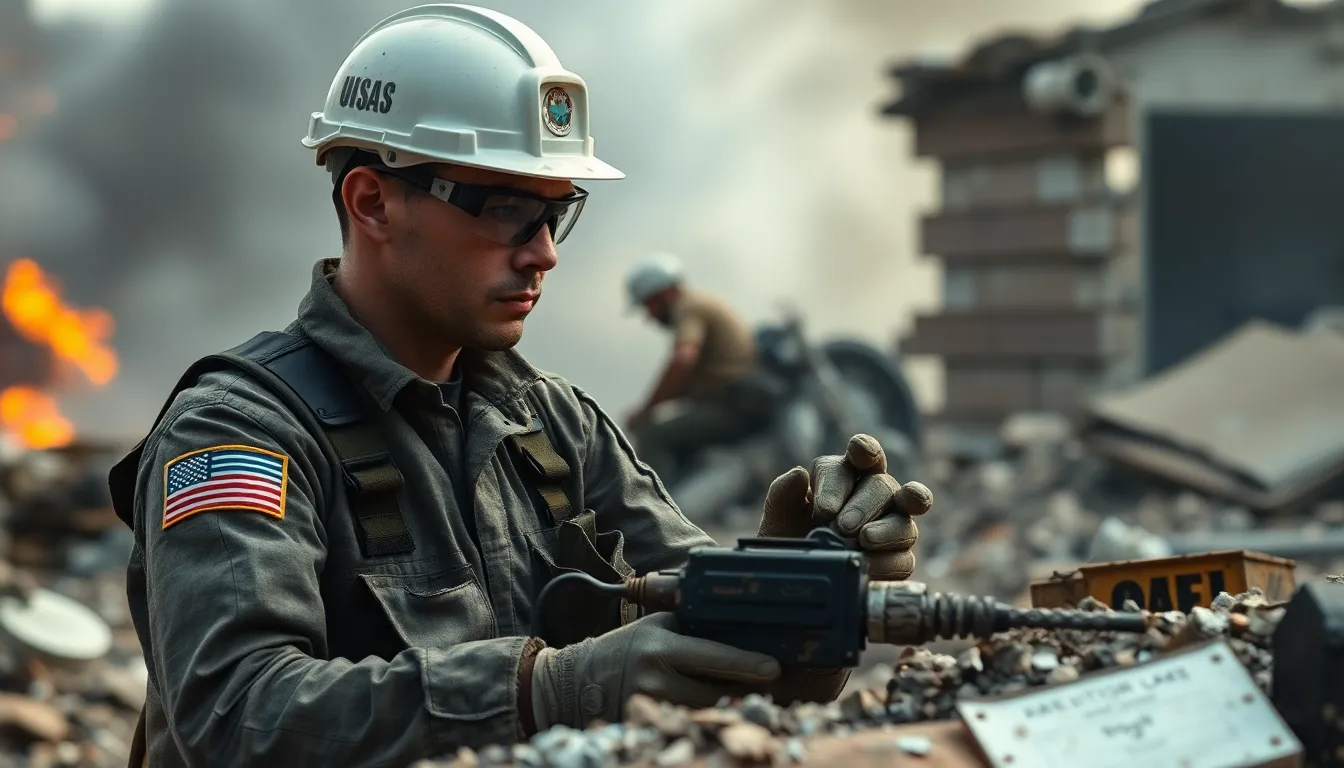
Battlefield engineers play a critical role in military operations, focusing on construction, repair, and demolition tasks that support troop movements and safety. They demonstrate expertise across various skills essential for success on the battlefield.
Construction and Repair
Construction and repair tasks are fundamental responsibilities of battlefield engineers. These professionals build and maintain vital infrastructure, such as bridges and supply routes. Vehicles also require regular repairs to ensure operational readiness. Engineers employ a range of tools and techniques, adapting quickly to chaotic environments. Each project supports troop mobility, highlighting the necessity of their skills. In addition, they often collaborate with infantry units to prioritize urgent repairs, ensuring minimal downtime and enhanced mission effectiveness.
Demolition and Explosives
Demolition and explosives form another vital aspect of a battlefield engineer’s responsibilities. Safe removal of dangerous structures increases operational safety for troops. Heavily fortified enemy positions often require precise demolition work. Engineers utilize explosives strategically, planning each operation to minimize collateral damage. Training in detonation techniques enhances their expertise in handling various explosives. Engaging with advanced technology, engineers also assess targets through reconnaissance, ensuring successful outcomes during missions. Coordination with commanders remains essential, allowing for effective planning and execution.
Skills and Abilities
Battlefield engineers possess a diverse skill set crucial for successful military operations. They excel in technical proficiency and tactical awareness, ensuring they can respond effectively to dynamic challenges.
Technical Skills
Technical skills form the foundation of a battlefield engineer’s expertise. They acquire proficiency in equipment repair, ensuring vehicles are operationally ready. Engineers construct vital structures like bridges and supply routes, enabling troop movements. Proficiency with advanced technology, such as drones, enhances reconnaissance capabilities. Knowledge in demolition techniques proves essential for safely removing hazardous structures. Engineers also learn basic first aid, equipping them to address medical emergencies in the field.
Tactical Awareness
Tactical awareness plays a significant role in effective military engineering. Battlefield engineers must understand the operational environment and adapt strategies accordingly. They identify high-priority repairs, focusing on minimizing downtime. Communication with commanders and infantry units remains essential for coordinating efforts during missions. By assessing potential threats in real-time, engineers contribute to the overall safety of the troops. Decision-making skills are sharpened through rigorous training, enabling engineers to react quickly under pressure. Prioritizing critical infrastructure needs ensures mission objectives remain intact.
Advantages of Battlefield Engineer Class
Battlefield engineers offer critical advantages in military operations. One key benefit is their ability to swiftly construct essential infrastructure, such as bridges and supply routes, which enables troop movements. Flexibility allows them to adapt quickly to changing battlefield conditions and prioritize urgent repairs, minimizing downtime.
Technical expertise stands out among battlefield engineers. Proficient in repairing vehicles and equipment, they enhance mission readiness and performance. Proficiency with advanced technology, including drones, aids in reconnaissance and damage assessment, supporting effective mission planning.
Collaboration is another significant advantage. Engineers work closely with infantry units and commanders, ensuring that communication flows smoothly and priorities align. This coordination maximizes operational efficiency and enhances safety for all personnel involved.
Problem-solving skills are paramount within the battlefield engineer class. Their training includes advanced demolition techniques and mine-clearing operations, which contribute directly to troop safety. Quick decision-making under pressure ensures that engineers can address challenges promptly while navigating chaos.
Adaptability reinforces their success. Engineers must think strategically, making on-the-spot judgments that can change the outcome of engagements. Strong communication skills enable them to convey critical information clearly, adding to their overall effectiveness.
Ultimately, the battlefield engineer class attracts individuals who thrive in dynamic environments. They combine technical skill with tactical awareness, making substantial contributions to military operations. Engaging in this role rewards those seeking a unique blend of engineering and combat experience.
Challenges Faced by Battlefield Engineers
Battlefield engineers confront numerous challenges in chaotic environments. Operating under pressure often means making swift decisions that impact mission success. Dealing with damaged infrastructure poses significant obstacles, as the urgency to restore essential services is paramount. Engineers frequently work in hazardous areas, where enemy threats and environmental dangers coexist.
Effectively prioritizing repairs can mean the difference between mission success and failure. Coordination with commanders and infantry units is necessary for identifying urgent needs. Engaging with advanced technology offers some assistance, yet reliance on tools is balanced with the unpredictability of combat situations. Navigating complex terrains while carrying heavy equipment also tests their physical endurance and resilience.
Effective communication becomes crucial when relaying information amidst noisy and hostile environments. Engineers must articulate their needs and challenges to ensure a cohesive approach to repairs and constructions. Mental agility is essential, as engineers must assess situations quickly and adapt plans accordingly. Furthermore, training often involves exposure to high-stress scenarios, emphasizing the importance of quick thinking and problem-solving.
Balancing technical expertise and tactical knowledge remains a constant challenge. These professionals must stay updated on equipment changes, demolition techniques, and new technologies. Maintaining proficiency in all these areas takes determination and continuous learning. Ultimately, the multifaceted nature of their role highlights the significant demands placed on battlefield engineers, making their expertise vital for operational success.
The battlefield engineer class stands as a crucial element in military operations. Their unique blend of technical skills and tactical awareness enables them to tackle challenges head-on. They not only repair and construct vital infrastructure but also ensure the safety of troops in unpredictable environments.
With their problem-solving abilities and adaptability, battlefield engineers significantly contribute to mission success. Their collaboration with infantry units and commanders enhances operational efficiency, making them indispensable on the battlefield. For those drawn to dynamic environments that require both engineering prowess and combat readiness, the battlefield engineer class offers an exciting and rewarding path.