
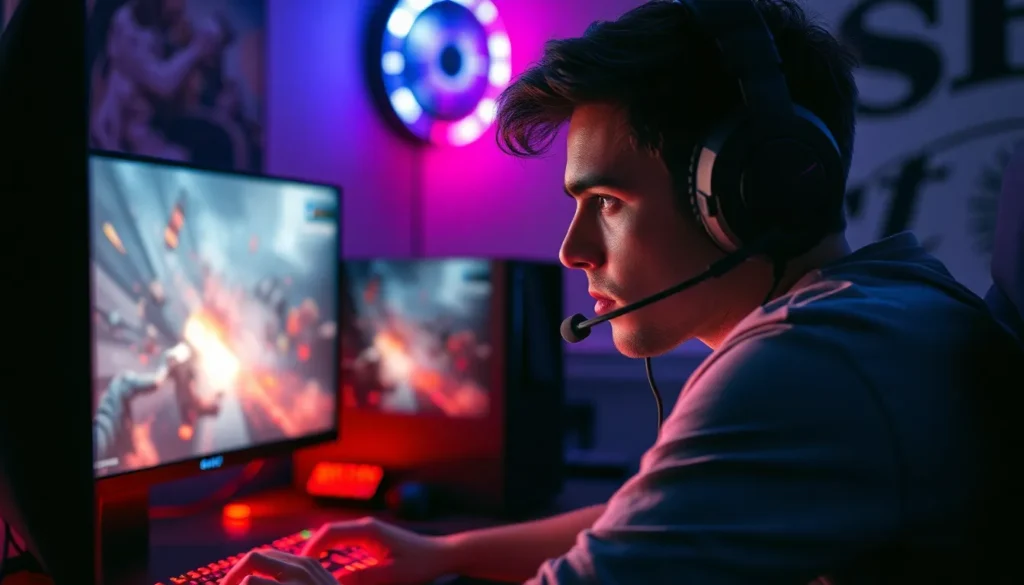
In the heat of battle, nothing’s worse than your character deciding to take a coffee break while the enemy closes in. Battlefield lag issues can turn epic victories into frustrating defeats faster than you can say “respawn.” Picture this: you’re lining up the perfect shot, and suddenly your screen freezes like a deer in headlights. Not exactly the adrenaline rush gamers crave, right?
Understanding Battlefield Lag Issues
Lag significantly impacts player performance and enjoyment in fast-paced games. In battlefield scenarios, even small delays can result in missed opportunities.
Definition of Lag
Lag refers to a noticeable delay between a player’s action and the game’s response. This disruption often occurs in various forms, such as frame drops or internet latency. It creates a frustrating experience for gamers, where crucial movements or actions seem unresponsive. Many factors contribute to lag, but the overall effect is the same: diminished gameplay quality.
Common Causes of Lag
Network connection problems frequently cause lag issues in battle scenarios. A slow or unstable internet connection can dramatically increase latency. Server overload can also contribute; when too many players connect simultaneously, the performance suffers. Outdated hardware might slow down processing times, causing further delays in the action. Lastly, background applications consuming bandwidth can exacerbate problems, disrupting the gaming experience. Recognizing these causes aids in troubleshooting and addressing lag effectively.
Impact of Lag on Gameplay

Lag significantly affects gameplay, compromising the overall experience in intense battle scenarios. Players often face interruptions that can turn moments of success into frustration.
Player Experience
Experiencing lag creates a sense of annoyance and disappointment. Gamers encounter delays that disrupt timing, affecting precision shots and strategic movements. Critical moments become more challenging as actions may not register accurately. These delays hinder immersion, breaking the flow of gameplay. Players hope for seamless interactions, yet lag denies this. Performance drops correlate directly with the severity of lag, leading to decreased enjoyment. Ultimately, lag transforms gaming from an engaging pursuit into a source of stress and irritation.
Competitive Play
In competitive environments, lag can change the outcome of matches. Timing becomes vital, with every millisecond impacting strategy and execution. A player might miss an essential shot due to delayed feedback, resulting in lost advantages. High-stakes competitions heighten the consequences of lag, emphasizing the need for reliability. Many gamers invest in high-speed connections to reduce latency, seeking any edge over opponents. The pursuit of a lag-free experience fosters a competitive spirit, driving players to optimize their setups. In fast-paced games, the balance between skill and connection stability dictates success.
Solutions to Mitigate Lag
Lag can frustrate players, but several solutions exist to enhance gaming performance. By implementing effective strategies, individuals can experience smoother gameplay.
Network Optimization
Optimizing the network connection plays a crucial role in addressing lag. Ensure a wired connection for stability, as it reduces the chances of interference. Prioritize bandwidth by disconnecting non-essential devices during gameplay, which frees up resources for the gaming session. Regularly updating the router firmware enhances performance and security. Utilizing Quality of Service settings allows prioritization of gaming traffic, leading to improved response times. For those using Wi-Fi, positioning the router closer to the gaming console minimizes distance-related latency.
Game Settings Adjustments
Adjusting in-game settings can also mitigate lag effectively. Lowering graphics quality may improve frame rates, making gameplay smoother. Disabling background applications that consume bandwidth helps maintain a focus on the game. Players can also enable options like V-Sync or frame rate limits to reduce screen tearing during fast action sequences. Configuring refresh rates in the game settings aligns with the monitor’s capabilities, which optimizes performance. Lastly, choosing the right server with low ping minimizes delays in online gaming, ensuring a competitive edge.
The Role of Game Updates
Game updates play a crucial role in addressing battlefield lag issues. These updates can introduce essential fixes and enhancements that directly improve player experience.
Patch Notes and Fixes
Patch notes detail improvements and bug fixes that can significantly reduce lag. Players often see updates targeting frame rate issues, optimizing server performance, and fixing connectivity problems. Recent patches may adjust parameters that enhance game stability under high-traffic conditions. Such modifications can also lead to improved load times and smoother gameplay, making critical gameplay moments more enjoyable. Keeping up with patch notes ensures players are aware of changes that may impact their gaming experience positively.
Player Feedback and Developer Response
Player feedback serves as a vital resource for developers facing lag complaints. Developers actively monitor community input and adapt updates based on players’ experiences. Insights gathered from forums, social media, and direct surveys highlight recurring issues, allowing teams to prioritize fixes effectively. A responsive development approach, often evident in timely updates, fosters trust and engagement among players. Developers that prioritize community input typically release patches that address the most pressing concerns, ensuring a more stable gaming environment.
Lag issues can severely impact the gaming experience especially in fast-paced battle scenarios. By understanding the causes and implementing effective solutions players can significantly reduce lag and enhance their gameplay. Prioritizing a stable connection and optimizing settings are essential steps toward achieving a smoother experience.
Game developers also play a crucial role in this process by releasing updates that address lag and improve overall performance. Staying engaged with community feedback ensures that players’ concerns are met and fosters a stronger gaming environment. Ultimately a commitment to minimizing lag not only enhances individual performance but also elevates the competitive spirit among gamers.