

In the chaotic realm of warfare, where bullets fly and tension runs high, one term stands out: battlefield suppression. It’s not just about making noise; it’s about creating a tactical symphony that keeps enemies on their toes while our troops move in for the win. Imagine a scene where the enemy is so busy ducking and covering that they forget they’re supposed to be fighting back. That’s the magic of suppression in action.
Overview of Battlefield Suppression
Battlefield suppression serves as a crucial tactic in modern warfare. This strategy aims to disrupt enemy operations by targeting their ability to communicate and respond effectively. Effective suppression techniques can involve various forms of firepower, such as artillery, air support, or small arms fire.
Creating chaos on the battlefield fosters confusion among enemy ranks. Disrupted lines of communication often result in poor coordination and delayed responses from adversaries. Troops can advance more confidently when enemies are preoccupied or incapacitated by the suppression efforts.
Military doctrines emphasize the significance of suppressive fire in offensive operations. Suppressive measures enable maneuvering units to gain ground while simultaneously limiting the enemy’s ability to engage effectively. Examples of effective suppression include the use of smoke screens to obscure vision and the deployment of drones for reconnaissance.
Integrated systems and technologies enhance suppression capabilities. Utilizing advanced targeting systems improves accuracy, ensuring that friendly forces achieve objectives with minimal risk. Air support frequently plays a key role, providing airstrikes to maintain pressure on the opponent.
Successful battlefield suppression hinges on coordination and synchronization among units. Joint operations increase the effectiveness of suppression tactics, combining artillery, infantry, and air forces. Real-time intelligence and communication systems enable swift adjustments to strategies based on the evolving battlefield conditions.
Overall, battlefield suppression stands as a vital element in achieving tactical superiority. It allows friendly forces to maintain momentum, dictate the pace of combat, and ultimately secure victory.
Historical Context of Battlefield Suppression
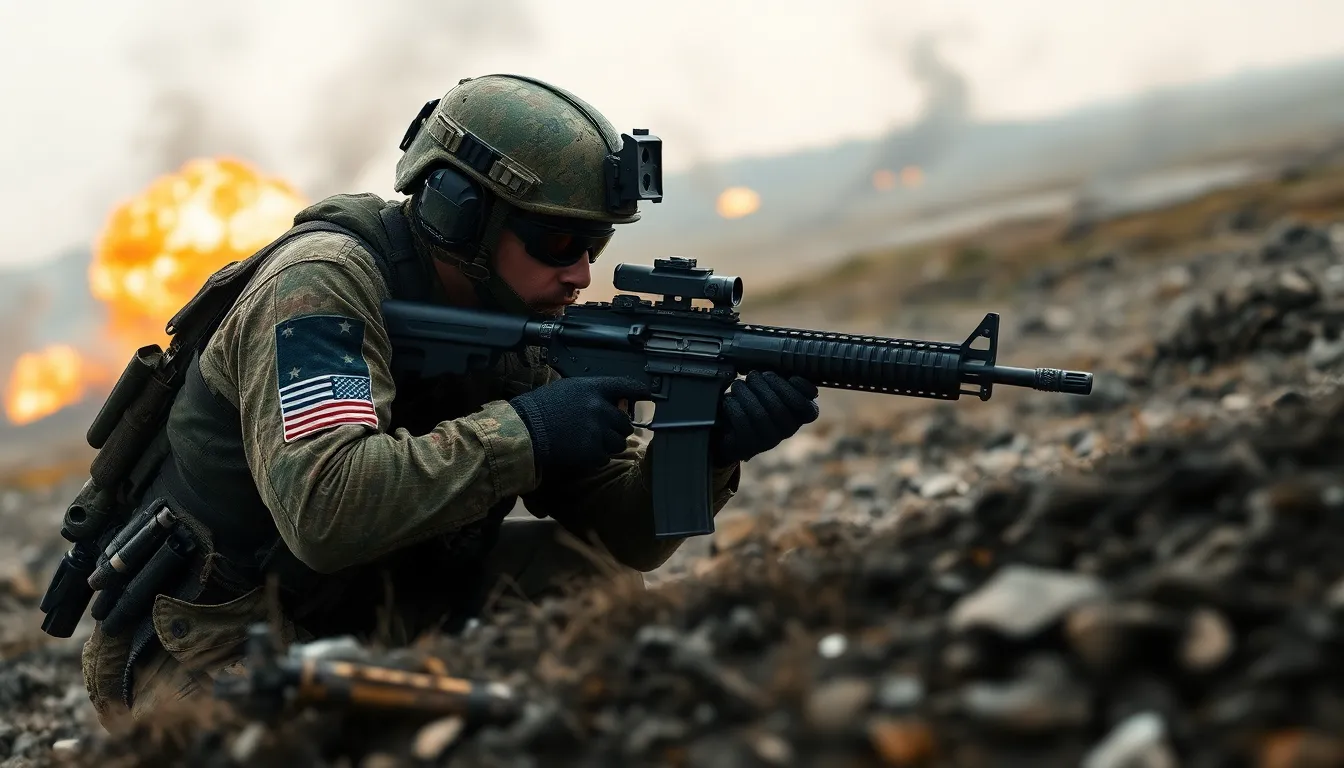
Battlefield suppression has deep roots in military history. Its strategic implementation shaped the course of numerous conflicts.
Early Examples in Warfare
Ancient armies used various forms of suppression to disrupt enemy formations. For instance, archers targeting enemy ranks created chaos and prevented coordinated attacks. Similarly, the use of siege engines during the Middle Ages effectively suppressed fortifications. These early examples laid the groundwork for more complex strategies seen in later conflicts.
Evolution of Techniques and Strategies
The development of technological advancements transformed battlefield suppression dramatically. World War I marked a significant shift with the introduction of machine guns, which provided suppressive fire over wide areas. Later, World War II showcased air support and artillery as pivotal suppression techniques, allowing forces to target enemy assets effectively. Modern warfare emphasizes integrated systems, such as drones and advanced targeting technologies. These innovations enhance suppression capabilities, ensuring real-time intelligence and coordination among units on the battlefield.
Methods of Battlefield Suppression
Multiple approaches contribute to battlefield suppression, focusing on disrupting enemy capabilities and maintaining operational momentum.
Psychological Warfare
Psychological warfare plays a crucial role in battlefield suppression. Tactics aim to instill fear and uncertainty among enemy troops. Propaganda undermines morale and questions their leadership. Misinformation spreads doubt about mission success, causing hesitation. This mental disruption shifts focus away from immediate combat. Performance setbacks occur as enemy personnel grapple with anxiety and misinformation. Targets of psychological operations often include frontline troops and support units. Military history indicates that psychological tactics can influence outcomes as significantly as physical assaults.
Physical Suppression Techniques
Physical suppression techniques encompass various methods for neutralizing enemy combat effectiveness. Artillery barrages deliver overwhelming firepower, preventing enemies from organizing a cohesive response. Air support provides precision strikes that obliterate critical infrastructure and reinforce ground forces. Small arms fire from infantry disrupt enemy movement and direct engagements. Electronic warfare capabilities jam communications, impacting response coordination across enemy ranks. Coordination among various units enhances effectiveness, ensuring that suppression remains relentless. Integration of technological advancements continues to redefine the landscape of physical suppression, underscoring its significance in modern warfare.
Impact on Modern Warfare
Technological advancements have significantly shaped battlefield suppression strategies. Drones equipped with precision weapons offer real-time surveillance and target engagement. Artillery systems leverage automation for more accurate strike capabilities. Advanced targeting technology enables forces to execute suppressive fire with enhanced efficiency and reduced collateral damage. Integration of cyber warfare disrupts enemy communications, further augmenting suppressive efforts. Military forces rely on these evolving technologies to maintain dominance on the battlefield.
Analyzing case studies illustrates the effectiveness of battlefield suppression techniques. The Gulf War showcased air superiority’s role in disrupting Iraqi forces, leading to rapid ground advances. In Afghanistan, targeted drone strikes have disrupted insurgent operations while minimizing the risk to friendly troops. The use of combined arms in Syria demonstrated how coordinated air and ground forces can effectively suppress enemy movements. These examples highlight battlefield suppression’s impact in shaping the outcome of military operations, underscoring its critical role in modern conflicts.
Ethical Considerations
Ethical implications surround battlefield suppression tactics in modern warfare. Many contend that disrupting enemy forces raises questions about the morality of causing high levels of chaos and confusion. Psychological warfare tactics, while strategic, often exploit inherent fears, potentially leading to unnecessary suffering among combatants and civilians. The use of propaganda and misinformation to instill panic must be scrutinized, as these actions blur moral lines in military engagement.
Real-time advancements in technology further complicate these ethical debates. Drones equipped with precision munitions lower collateral damage risks yet still pose ethical dilemmas concerning oversight and accountability. The potential for automated systems to conduct strikes without human oversight amplifies concerns about inadequate decision-making in critical combat situations.
Military doctrines increasingly emphasize the psychological impacts of battlefield suppression. Suppressing enemy operations can serve to demoralize troops; hesitation to engage can cause long-term psychological effects, raising questions about their treatment post-conflict. Accountability frameworks thus become essential in modern military strategies, ensuring ethical standards in conducting operations.
Case studies illustrate the consequences of these tactics. The Gulf War and conflicts in Afghanistan demonstrate effective suppression strategies. However, collateral damage reports reveal civilian casualties, prompting discussions on the necessity of ethical guidelines. Balancing combat effectiveness with moral responsibilities remains vital in ongoing and future military engagements.
Organizations and governing bodies advocate for ethical evaluations of military tactics. They emphasize the need for transparency in decision-making processes during operational planning. Ethical frameworks could guide commanders, ensuring suppression tactics align with humanitarian principles while still achieving strategic objectives. Awareness of these ethical considerations shapes the discourse on battlefield suppression, intertwining military effectiveness with moral responsibility.
Battlefield suppression remains a pivotal strategy in modern warfare. Its ability to create disarray among enemy forces is unmatched, allowing friendly troops to advance with confidence. As military tactics evolve, the integration of advanced technology enhances suppression methods, ensuring effectiveness while minimizing collateral damage.
The ethical implications surrounding these tactics cannot be overlooked. Striking a balance between operational success and moral responsibility is crucial. Ongoing discussions about accountability and transparency will shape the future of battlefield suppression. Ultimately, understanding its complexities will enable military leaders to harness its power responsibly while achieving strategic objectives.