
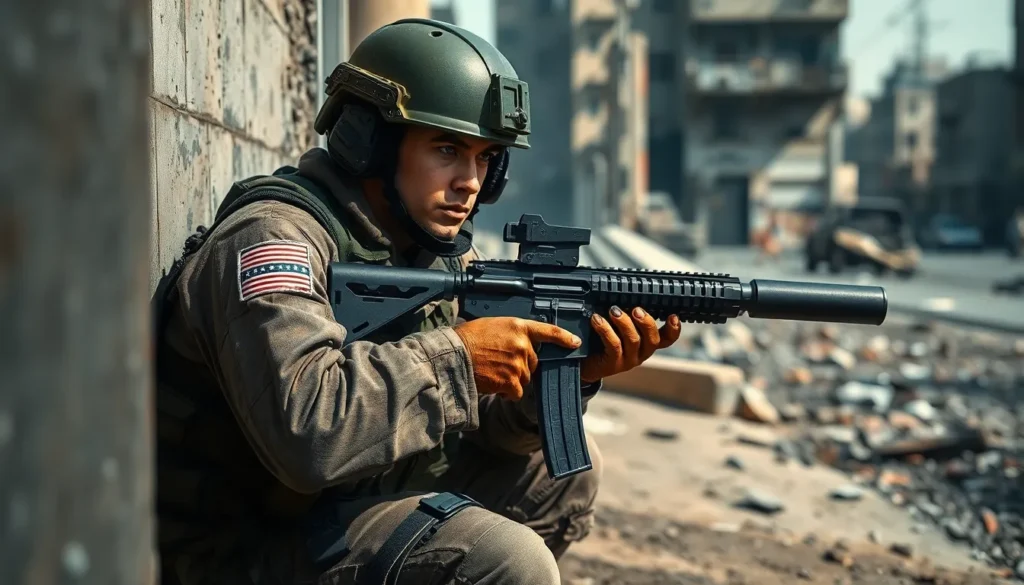
In the chaotic symphony of battle, where every sound can spell the difference between victory and defeat, the battlefield suppressor emerges as the unsung hero. It’s like the ninja of firearms—stealthy, effective, and not afraid to take out the competition without making a scene. Why blast your way through the enemy when you can whisper sweet nothings while picking them off one by one?
These modern marvels don’t just muffle gunfire; they transform the way soldiers approach combat. Imagine sneaking up on the enemy while they’re still trying to figure out who just stole their lunch money. With a suppressor in hand, it’s not just about shooting; it’s about strategy, stealth, and a touch of showmanship. Get ready to dive into the world of battlefield suppressors, where silence truly is golden.
Overview of Battlefield Suppressors
Battlefield suppressors play a crucial role in modern military operations. They reduce the noise produced by gunfire, allowing soldiers to remain undetected during engagements. These devices also minimize the muzzle flash, making it difficult for enemies to pinpoint the shooter’s location.
Suppressors enhance situational awareness, providing troops with the ability to stay stealthy. Engaging silently allows for more strategic maneuvers, especially in urban environments. Units equipped with suppressors can execute operations without alarming nearby civilians or alerting the enemy.
Various types of suppressors are designed for different firearm platforms. Some models are lightweight and attach quickly, allowing for seamless integration into tactical gear. Others provide advanced sound reduction, optimizing performance for specific mission requirements.
Factors like material, design, and calibration affect suppressor efficiency. High-quality suppressors use durable materials, ensuring reliability under extreme conditions. They undergo rigorous testing and evaluation by military organizations to meet operational standards.
Usage of suppressors promotes the element of surprise on the battlefield. Soldiers often gain a critical advantage, particularly during reconnaissance missions and close-quarters combat. By allowing for quieter engagements, these devices contribute to successful mission outcomes and increased personnel safety.
The ongoing development of battlefield suppressors reflects the evolving needs of military forces. Innovations focus on improving sound attenuation technology and reducing weight without sacrificing durability. Integration of suppressors into standard issue continues to grow, underscoring their importance in modern warfare.
How Battlefield Suppressors Work
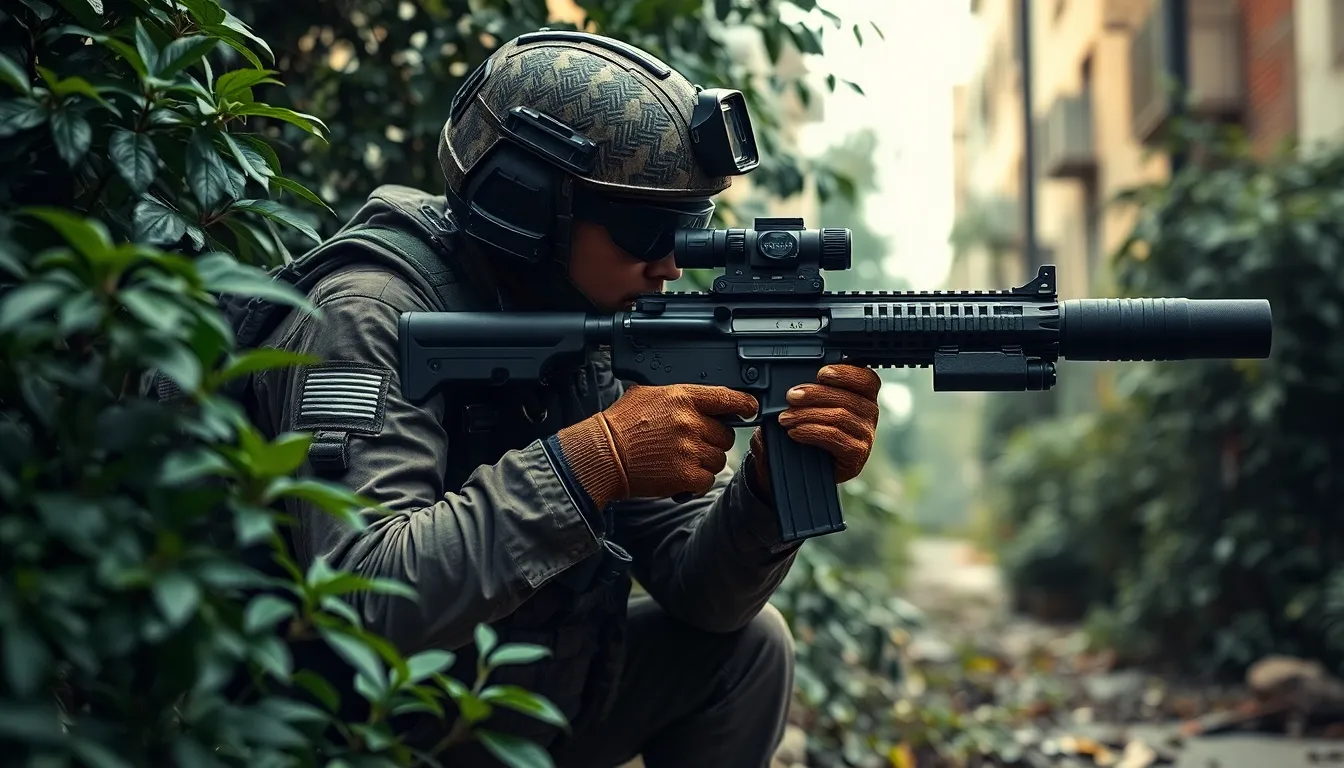
Battlefield suppressors play a critical role in modern combat scenarios. Understanding their functioning helps appreciate their strategic advantage.
Sound Reduction Mechanisms
Sound reduction mechanisms in suppressors utilize expansion chambers to dissipate gas. Compressing and cooling the gases that escape the firearm reduces the sound of gunfire significantly. Multiple baffles inside the suppressor guide gas flow, allowing for a quieter shot. Various designs exist, engineered to enhance efficiency across different platforms. High-quality materials contribute to durability while optimizing performance. Studies show that effective suppressors can lower noise to below 130 decibels, making concealment possible in combat. This capability enhances a soldier’s ability to operate without detection, maintaining a tactical edge.
Performance in Various Environments
Performance varies widely in different environments, with urban settings presenting unique challenges. Suppressors minimize sound and muzzle flash, crucial for close-quarter engagements. Urban landscapes amplify noise, increasing the importance of stealth. Heavy vegetation provides additional sound dampening, enabling soldiers to navigate quietly. Extreme temperatures and moisture impact suppressor efficiency, emphasizing the need for rugged designs. Reliable suppressors perform well under these adverse conditions, ensuring consistent operation. Many military forces prefer suppressors for reconnaissance operations, knowing their effectiveness remains intact in diverse environments. Adaptability ensures soldiers maintain operational excellence despite varying surroundings.
Advantages of Using Battlefield Suppressors
Battlefield suppressors offer significant advantages for modern combat scenarios. Enhanced tactical advantages result from incorporating these devices.
Tactical Benefits
Tactical benefits arise from reduced sound and recoil during engagements. Soldiers retain increased control over their firearms, resulting in improved accuracy. Moreover, suppressors facilitate effective communication among team members, even in combat situations. They also enable operational flexibility in dynamic environments. When operating in urban landscapes, minimizing noise helps avoid civilian panic and detection. Suppressors contribute to maintaining a low profile, which is crucial for reconnaissance.
Impact on Stealth Operations
Stealth operations significantly improve with the use of suppressors. Sound reduction plays a vital role in allowing soldiers to remain undetected during engagements. Enemy awareness diminishes, ultimately enhancing mission success rates. Effective suppressors help distill the chaos of battle, allowing operatives to execute strategic maneuvers. The ability to control both sound and muzzle flash can lead to greater surprise during ambushes. Increased effectiveness in stealth missions leads to higher mission success, especially in close-quarters combat.
Potential Drawbacks and Limitations
Using battlefield suppressors comes with certain drawbacks and limitations that can impact their effectiveness and deployment. Understanding these factors is essential for military operations.
Performance Trade-offs
Suppressors enhance stealth but can introduce performance trade-offs. They may increase weight, affecting maneuverability during missions. Additionally, reduced noise can sometimes lead to less situational awareness, as soldiers rely on auditory cues during engagements. Some high-quality suppressors can alter the firearm’s balance, potentially impacting accuracy. Moreover, suppressors may slightly reduce the velocity of projectile due to gas modification, which can affect terminal performance. These trade-offs necessitate careful consideration in tactical planning to mitigate any adverse effects on mission objectives.
Legal and Ethical Considerations
Legal frameworks surrounding suppressor use vary significantly across regions. Certain jurisdictions restrict their ownership or impose stringent regulations, which can impact military operations. Ethical debates arise about the potential misuse of suppressors by non-state actors, raising concerns about accountability and transparency. Suppressors could facilitate unlawful engagements, leading to civilian harm or violation of rules of engagement. These legal and ethical challenges require military forces to remain vigilant and adhere to guidelines that govern suppressor deployment in combat scenarios.
Battlefield suppressors represent a pivotal advancement in modern military tactics. Their ability to reduce noise and muzzle flash not only enhances stealth but also transforms how soldiers engage in combat. As technology continues to evolve, these devices will likely become even more integral to military operations.
The blend of tactical advantages and operational flexibility makes suppressors essential for reconnaissance missions and urban engagements. While challenges exist regarding weight and performance trade-offs, the benefits often outweigh the drawbacks. As military forces adapt to changing combat landscapes, the role of battlefield suppressors will remain crucial in maintaining an edge over adversaries.