

In the fast-paced world of Clash Royale, knowing your cards is like having a secret weapon up your sleeve. With a plethora of characters, spells, and buildings at their disposal, players can craft strategies that leave opponents scratching their heads. But let’s be honest—keeping track of all those cards can feel like herding cats on a rollercoaster.
Overview of Clash Royale Card List
Understanding the Clash Royale card list is crucial for optimizing gameplay. Players encounter various categories, including troops, spells, and buildings, each impacting strategies uniquely. Troops include melee units such as the Knight, which excels in close combat, and ranged units like the Musketeer, effective for distance attacks.
Spells play a vital role in control and damage, offering options like Fireball for area damage and Zap for quick stunning effects. Buildings provide defensive capabilities, with structures like the Cannon, critical for redirecting enemy troops and providing support during matches.
Each card features a unique elixir cost, impacting deck strategy and overall synergy. Players strategize by balancing low-cost cards for quick deployment and high-cost cards for significant advantages. Cards are categorized by rarity, including Common, Rare, Epic, and Legendary, influencing availability and player access.
Keeping track of card levels is essential for maximizing performance in battles. Higher-level cards deliver increased damage and health, enhancing overall effectiveness. Players benefit from experimentation, blending various cards to create powerful combos and adapt to ongoing game updates.
Understanding the strengths and weaknesses of each card elevates strategic decisions. Successful players analyze their opponents’ decks, making timely adjustments and counterplays based on the presented card list. Mastery of the card list, from effective troop types to impactful spells, proves necessary for thriving in Clash Royale’s competitive environment.
Types of Cards
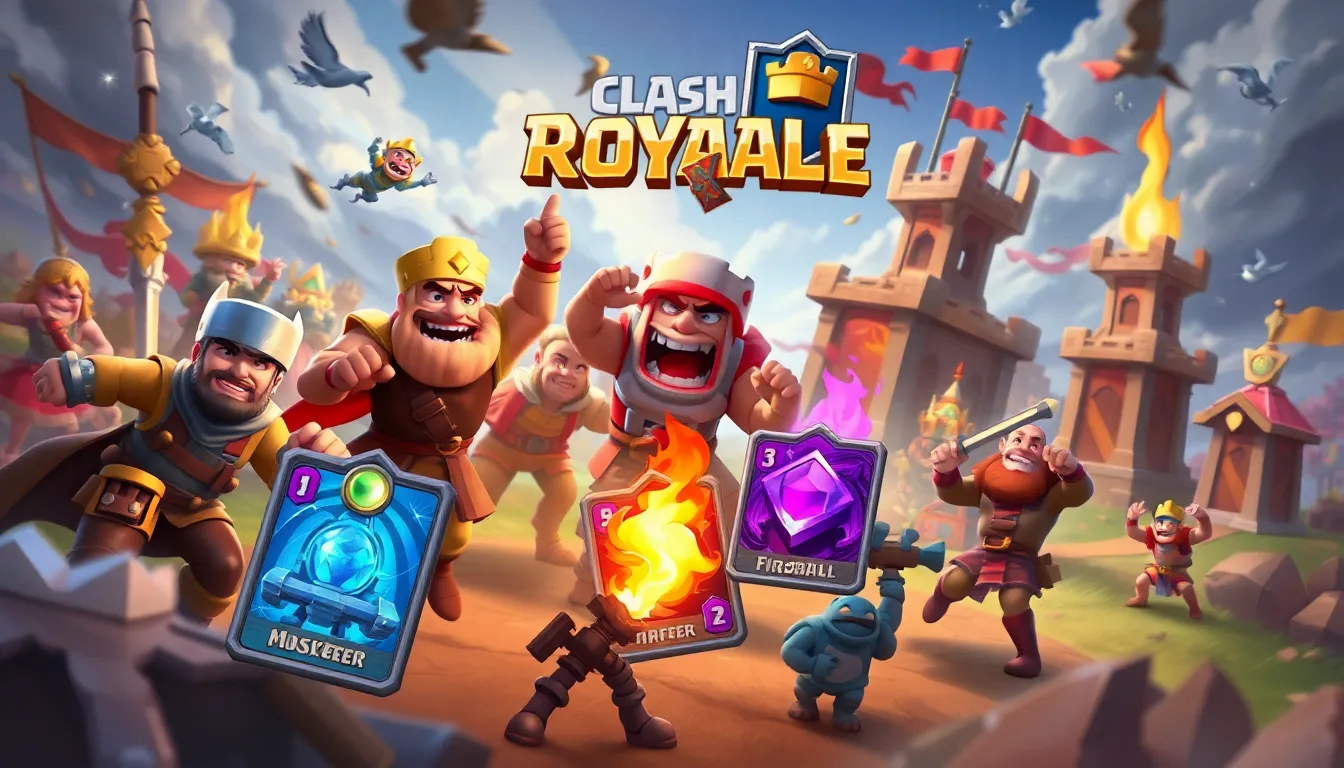
Understanding the different types of cards in Clash Royale enhances gameplay and strategic execution. Each category plays a vital role in forming effective decks.
Troop Cards
Troop cards consist of various units, each offering unique abilities. Melee units, such as Knight and Mini P.E.K.K.A, excel in close combat. Ranged troops like Musketeer and Baby Dragon provide support from a distance. Their health points and damage vary, impacting battlefield tactics. Players often combine troops for strong pushes or defend against enemy attacks. Swarm units like Goblin Gang can overwhelm opponents but are vulnerable to area damage spells. Choosing the right troops to counter enemy strategies is crucial for victory.
Spell Cards
Spell cards enable players to control the battlefield and inflict damage on opponents. Examples include Fireball, which deals area damage, and Zap, known for its quick stun effect. Each spell has a specific elixir cost, influencing deck balance and strategy. High-damage spells can eliminate opposing troops, while utility spells might support troop advancement or defense. Timing plays a significant role when deploying spells; using them effectively can turn the tide of battle. Additionally, understanding spell interactions with enemy units can enhance strategic decisions during gameplay.
Building Cards
Building cards serve defensive purposes and provide strategic advantages on the battlefield. Structures like Cannon and Inferno Tower distract enemy troops and inflict damage. Each building type has specific elixir costs, determining optimal placement and timing. Defensive buildings can create a buffer, allowing players to regroup and strategize. Although buildings primarily focus on defense, certain ones can support offensive maneuvers. Analyzing opponent card choices helps determine which buildings to place for maximum effectiveness. Mastery of building placement enhances overall game strategy and increases chances of success.
Card Rarity
Understanding card rarity in Clash Royale plays a crucial role in deck strategies and gameplay. Players often find that card rarity impacts availability and overall effectiveness.
Common Cards
Common cards typically offer straightforward utility, making them accessible for all players. Examples include the Knight and Goblin Gang, which can be upgraded quickly due to their lower elixir costs. With increased availability, these cards facilitate early-game strategies and frequent rotations. Their simplicity allows for ease of use in various decks, reinforcing fundamental tactics.
Rare Cards
Rare cards introduce more unique abilities and strategies within the game. Troops like the Valkyrie and Lightning spell deliver higher damage and support diverse playstyles. These cards also require more strategic planning due to their elixir costs. Players find that mastering rare cards can enhance overall deck performance and adapt to opponents’ strategies effectively.
Epic Cards
Epic cards often feature powerful effects that can change the course of battles. Cards such as the P.E.K.K.A and Minion Horde deliver formidable offensive and defensive capabilities. With a limited quantity available in player collections, these cards encourage strategic use during critical moments. Epic cards thrive in specific decks, creating synergy that can outmatch common and rare counterparts.
Legendary Cards
Legendary cards excel with unique abilities and high-impact potential. Players encounter these selections less frequently; examples include the Miner and Electro Wizard. Their rarity means exceptional power, but they often require careful integration into decks due to elixir costs. Players maximize effectiveness by developing strategies around legendary cards, allowing for innovative plays that surprise opponents.
Best Strategies for Using Cards
Mastering card utilization significantly enhances gameplay. Players can optimize strategies by focusing on two key areas: deck building and card synergies.
Deck Building Tips
Building a competitive deck starts with a well-rounded selection. Ensure a balance between troop types, spells, and buildings. Include low-elixir cards for quick response. Players should mix offensive and defensive cards to adapt to different scenarios. Consider incorporating cards that complement each other, ensuring a cohesive strategy. Reducing card redundancy enhances versatility during matches. Keep track of elixir costs to maintain pressure on opponents. Evaluating common strategies used by successful players can provide valuable insights.
Card Synergies
Understanding synergies between cards elevates gameplay. Certain troop pairs, like the Valkyrie and Goblin Gang, create powerful combat formations. Using spells like Fireball in conjunction with high-damage troop cards reinforces attacks. Deploying a building, such as the Inferno Tower, draws enemy units away from critical targets. This tactic allows for a stronger counterattack when combined with quick-response troops. Players benefit from testing different combinations to discover unique interactions. When recognizing synergy, players can effectively dismantle opponents’ strategies.
Mastering the Clash Royale card list is vital for any player looking to elevate their game. Understanding the unique attributes of each card and how they interact can significantly enhance strategic decision-making. From troop combinations to spell timing and building placements, each element plays a crucial role in achieving victory.
Players should continuously experiment with different card synergies and deck compositions to find what works best for their playstyle. By analyzing opponents and adapting strategies accordingly, they can stay ahead in the competitive landscape. Ultimately, a well-rounded knowledge of the card list not only improves gameplay but also makes every match more engaging and dynamic.