

Imagine slipping on a headset and suddenly finding yourself at a virtual beach party, complete with dancing avatars and the faint sound of waves lapping at the shore. Welcome to the world of social VR experiences, where the boundaries of reality blur and connections are made in the most unexpected ways. It’s not just gaming anymore; it’s a vibrant social landscape that invites users to interact, explore, and create memories together—even if they’re miles apart.
Overview of Social VR Experiences
Social virtual reality experiences create immersive environments where users can interact using avatars. These platforms offer diverse settings, from virtual concerts to collaborative workspaces, enhancing social interaction. Through innovative technologies, users can engage with friends or strangers in real time, fostering a sense of presence and community.
Many social VR applications incorporate features like voice and text chat, allowing for seamless communication. Participants can share experiences, making activities like attending events or exploring virtual worlds more engaging. Avatars represent individuals, enabling them to express their personalities and emotions visually.
Examples of popular social VR platforms include VRChat and AltspaceVR. These platforms host events, games, and activities that encourage user participation. Regular updates and community-driven content help keep the experiences fresh and engaging.
Educational opportunities also arise within social VR settings. Virtual classrooms can connect students from different locations while offering interactive learning experiences. This method promotes collaboration and cultural exchange.
Furthermore, the impact of social VR extends to mental health. Users can partake in support groups or relaxation environments that facilitate connection among individuals facing similar challenges. The potential for social VR to enhance social skills and reduce feelings of isolation is significant.
Social VR experiences create dynamic environments that thrive on interaction and engagement. These experiences revolutionize online socialization, providing avenues for connection and creativity in a vast array of contexts.
Key Features of Social VR Experiences
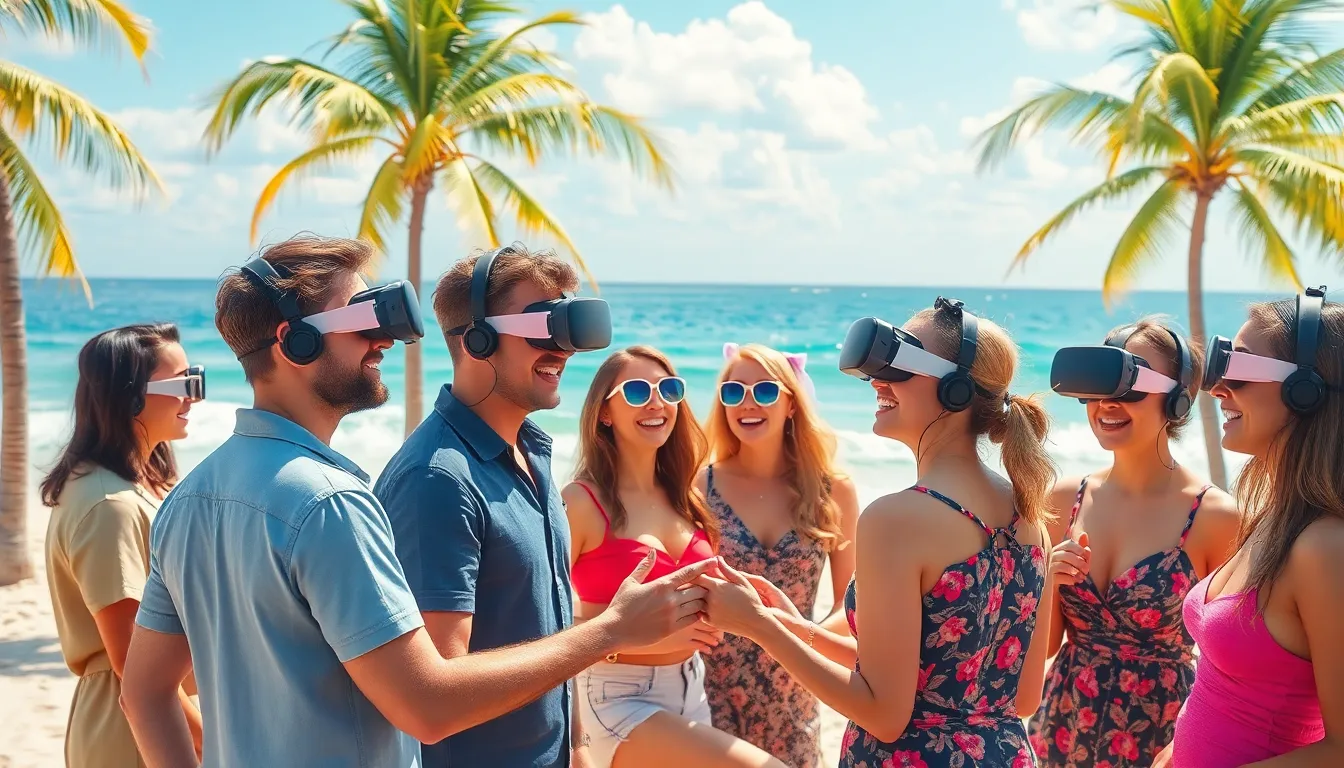
Social VR experiences thrive on several standout features that enhance user engagement and connectivity.
Immersive Environments
Immersive environments define the essence of social VR. Users explore vibrant virtual landscapes, such as beaches and bustling cityscapes. These settings create a sense of presence that traditional online platforms cannot match. In VRChat, for example, users can attend art exhibitions or go for a walk in serene nature parks, experiencing the thrill of being somewhere else. Each virtual realm offers distinct activities, encouraging users to discover and interact with their surroundings. Such environments captivate users, drawing them further into the virtual experience.
User Interaction
User interaction forms a core component of social VR experiences. Participants engage through real-time voice and text chat, enabling spontaneous conversations. Customizable avatars allow users to convey emotions and personality, fostering deeper connections. Events in platforms like AltspaceVR promote collaboration through games or group discussions, enhancing social ties. Friends can join a virtual concert or collaborate on a project, seamlessly blending fun with productivity. Each interaction enriches the social landscape, turning virtual connections into meaningful relationships.
Popular Social VR Platforms
Numerous platforms facilitate social VR experiences, each offering unique features that enhance user engagement.
Oculus Venues
Oculus Venues hosts live events, providing users access to concerts, sports, and shows in virtual reality. Users can enjoy immersive experiences while socializing with friends in shared environments. Integration with Oculus Rift and Quest ensures high-quality graphics and audio fidelity. Real-time interaction allows audiences to react collectively, creating a lively atmosphere. Regular content updates keep the experiences diverse, ensuring users return for new events.
AltspaceVR
AltspaceVR emphasizes community and social interaction, serving as a hub for events like game nights, meetups, and educational workshops. Users create customizable avatars to express individuality in a welcoming atmosphere. Diverse activities encourage participation and collaboration among users. The platform’s tools for voice and text chat foster spontaneous conversations, enhancing social connectivity. Regular expansions introduce new features and settings, enriching user experiences.
VRChat
VRChat offers a vast playground for creativity and socialization, allowing users to create and explore custom worlds. Avatars in VRChat reflect user personalities, promoting unique interactions. Users engage in various activities like games, performances, and casual meetups, strengthening community bonds. The platform supports interactive and fun events that encourage creativity. Continuous updates expand worlds and introduce new features, keeping the environment fresh and engaging.
Benefits of Social VR Experiences
Social VR experiences offer numerous advantages that foster connectivity and enhance engagement among users.
Enhanced Social Interaction
Immersive environments in social VR promote enhanced social interaction. Users engage with others in real-time, using voice and text chat to create meaningful conversations. This immediacy allows for spontaneous exchanges that replicate face-to-face interactions. Moreover, customizable avatars enable individuals to express their personalities, making interactions more personal and relatable. These features cultivate a vibrant social atmosphere, encouraging users to forge deeper connections. Activities available on platforms like VRChat or AltspaceVR further facilitate engagement, ensuring participants share memorable experiences together.
Unique Opportunities for Connection
Social VR presents unique opportunities for connection among diverse users. Individuals from different geographical locations can come together in shared virtual spaces, transcending physical barriers. This diversity enriches the experience, as users collaborate on projects or participate in events with people from various backgrounds. Platforms hosting virtual concerts and workshops create enriching encounters, opening doors to new friendships and networks. Users frequently discover common interests and passions by interacting with others in these virtual settings. This sense of community fosters a supportive environment that could not be easily achieved through traditional online platforms.
Challenges of Social VR Experiences
Social VR experiences come with unique challenges that impact user engagement and overall functionality. Technical limitations often hinder the seamless interaction that users expect.
Technical Limitations
Hardware requirements play a significant role in accessibility. Users need high-performance devices to enjoy smooth experiences. Connectivity issues can disrupt participation, leading to frustrating delays. Moreover, varying internet speeds influence the quality of interactions, directly affecting user satisfaction. Certain platforms may not support all devices, creating barriers for inclusivity. Additionally, graphical rendering limits can diminish realism, impacting immersion.
Privacy and Safety Concerns
Privacy remains a critical concern in social VR environments. Users share personal data while creating profiles, raising questions about data security. Inappropriate behavior from other users can lead to uncomfortable experiences, highlighting the need for robust moderation tools. Many platforms struggle with ensuring user safety, particularly for younger audiences. Reporting and blocking mechanisms can provide relief, but inconsistent enforcement complicates matters. Furthermore, virtual interactions may blur the lines of consent, making it challenging for users to navigate social norms.
Social VR experiences are reshaping the way people connect and interact in digital spaces. By offering immersive environments and real-time engagement, these platforms foster meaningful relationships that transcend geographical barriers. Users can explore diverse virtual settings while expressing their individuality through customizable avatars.
Despite the challenges of accessibility and safety, the potential benefits of social VR are significant. It not only enhances social interaction but also provides unique opportunities for collaboration and support. As technology continues to evolve, social VR stands poised to become an integral part of how individuals engage with one another in both personal and professional realms. The future of social connection is vibrant and immersive, promising exciting possibilities for everyone involved.