
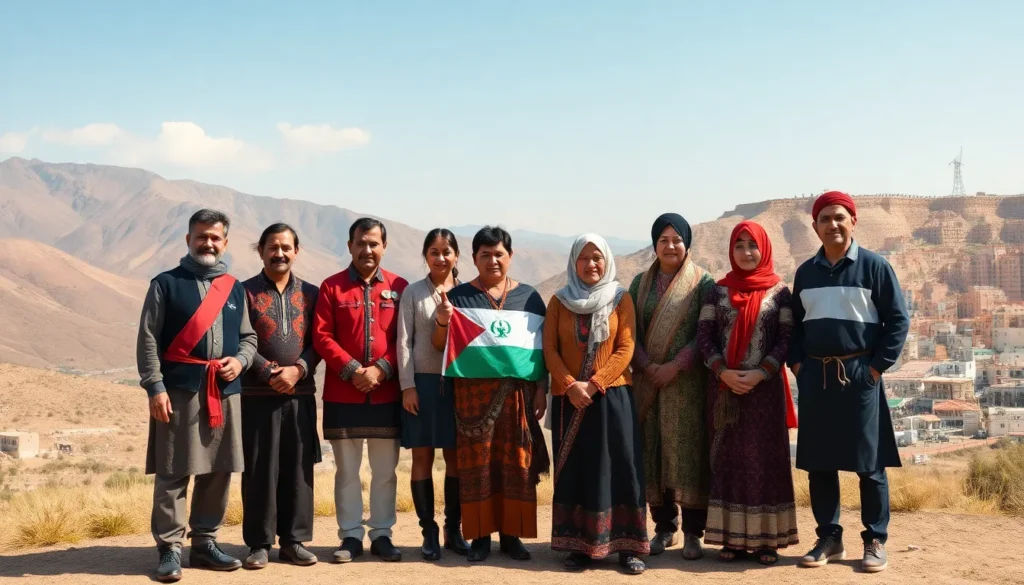
In the realm of AP Human Geography, understanding the concept of a stateless nation is crucial for grasping the complexities of global politics and cultural identity. A stateless nation refers to a group of people who share a common identity—such as ethnicity, language, or culture—but lack an independent state to call their own. This phenomenon often leads to unique challenges and conflicts as these groups strive for recognition and autonomy.
Stateless nations can be found across the globe, from the Kurds in the Middle East to the Palestinians in the Levant. Their struggles highlight the intricate relationship between national identity and statehood, making it essential for students and enthusiasts of human geography to explore these dynamics. By delving into the definition and implications of stateless nations, one can better appreciate the ongoing debates surrounding sovereignty and self-determination in today’s interconnected world.
Understanding Stateless Nations
Stateless nations play a crucial role in the study of human geography. Their presence highlights the intricate link between cultural identity and political geography.
Importance in AP Human Geography
Stateless nations are significant in AP Human Geography, as they help illustrate the complexities of global politics and cultural interactions. Studying stateless nations like the Kurds or Tibetans reveals how issues of sovereignty, autonomy, and identity shape regional dynamics. They also demonstrate the impact of political boundaries on cultural groups, showcasing the consequences of colonialism and geopolitical decisions. This understanding encourages students to think critically about self-determination and the ongoing struggles of marginalized communities.
Characteristics of Stateless Nations
Stateless nations exhibit several defining characteristics:
- Shared Identity: Members share strong cultural ties, including ethnicity, language, or religion.
- Distinct Territory: While lacking an independent state, these groups often inhabit a specific geographic area with historical or cultural significance.
- Political Goals: Many stateless nations pursue self-determination or greater autonomy within existing states, striving for recognition and rights.
- Marginalization: Stateless nations frequently experience political, economic, and social exclusion, leading to tensions and conflicts with dominant state structures.
- Cultural Preservation: Stateless nations prioritize maintaining their cultural heritage through various means, including language preservation and traditional practices.
These characteristics help clarify the concepts of identity and sovereignty, enhancing discussions about global challenges in human geography.
Examples of Stateless Nations
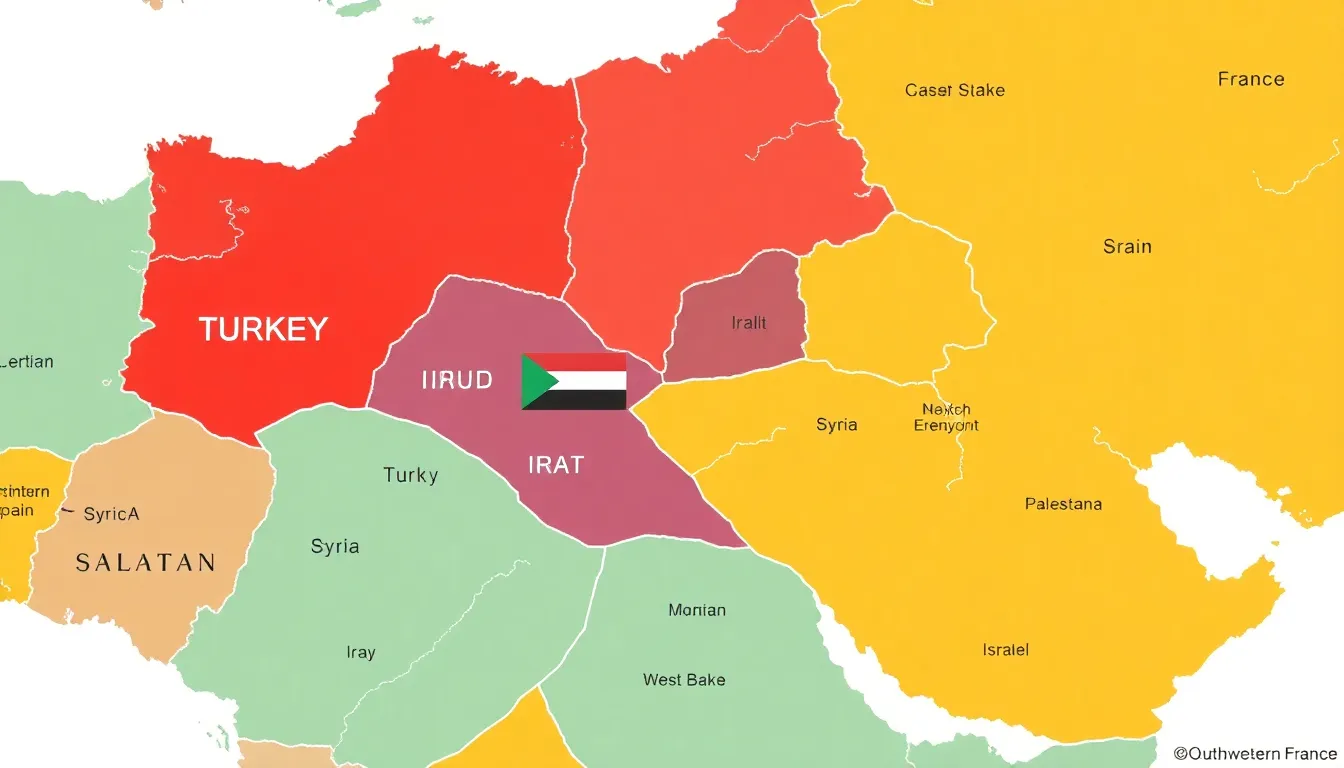
Stateless nations provide insight into the complex relationship between cultural identity and political existence. They face challenges in achieving recognition and autonomy while preserving their unique identities.
The Kurds
The Kurds constitute one of the largest stateless nations, numbering around 30 million individuals. They primarily inhabit regions across Turkey, Iraq, Iran, and Syria. Despite their distinct language and cultural practices, the Kurds lack a recognized independent state. The Kurdistan Regional Government in Iraq operates as a semi-autonomous region, yet issues of governance, oil resources, and political representation persist. Ongoing tensions arise between Kurdish aspirations for autonomy and the national governments’ responses, often resulting in conflict and persecution.
The Palestinians
The Palestinians, numbering approximately 5 million, represent another significant stateless nation. They primarily reside in the West Bank, Gaza Strip, and Israel, while also having a diaspora across the globe. The quest for Palestinian statehood has faced unresolved political issues, including territorial disputes and refugee rights. The Palestinian Authority governs parts of the West Bank but lacks full sovereignty. Ongoing conflicts with Israel hinder the prospects for stable governance and self-determination, with many Palestinians advocating for recognition of their rights on the international stage.
The Basques
The Basques are an ethnic group of around 3 million, primarily located in the region straddling northern Spain and southwestern France. They possess a unique culture and language called Euskara, distinct from surrounding languages. While the Basque Autonomous Community in Spain enjoys a degree of self-governance, complete independence remains elusive. Many Basques strive for greater political autonomy, hoping to protect their identity and heritage amid broader Spanish and French national frameworks. Periodic political movements highlight the ongoing struggle for recognition and a clearer path toward self-determination.
Impacts of Stateless Nations
Stateless nations face significant socio-political challenges that affect their quest for recognition and autonomy. These impacts influence regional stability and international relations.
Socio-political Challenges
Stateless nations often encounter political marginalization. Governments may deny them representation, limiting their ability to advocate for rights. Stateless nations like the Kurds experience repression from dominant states, resulting in conflicts and violence. Legal and institutional barriers often obstruct their pursuit of self-determination.
Economic disadvantages characterize many stateless nations. They frequently lack access to resources and markets, which hinders development. For instance, the Basques pursue autonomy to protect their economic interests against centralized state policies. Stateless nations may also experience internal divisions, complicating their unity and collective action.
Cultural Identity and Preservation
Cultural identity preservation presents a critical challenge for stateless nations. Without a state to safeguard their traditions and languages, these groups face the risk of assimilation. For example, the Palestinians work to maintain their cultural heritage amid ongoing displacement and conflict.
Stateless nations often engage in activism to promote their cultural identities. Education plays a vital role in fostering awareness and pride within these communities. Efforts include language revitalization programs and cultural festivals, which reinforce distinct identities. Preserving unique cultural practices enables these nations to assert their presence on the global stage, emphasizing the importance of cultural diversity in human geography.
The Role of AP Human Geography
AP Human Geography emphasizes the importance of understanding stateless nations within the framework of spatial relationships and human-environmental interactions. These concepts facilitate a deeper appreciation of how stateless nations navigate their cultural identities and political landscapes.
Analyzing Spatial Relationships
Analyzing spatial relationships reveals how physical geography affects stateless nations. Factors like borders, natural resources, and demographic distributions influence these groups’ political aspirations. For instance, the Kurdish population spans across four countries—Turkey, Iraq, Iran, and Syria. Their geographic dispersion complicates their pursuit of autonomy and recognition. The study of spatial relationships in AP Human Geography highlights how territorial boundaries can both define and limit the political power of stateless nations, often resulting in conflicts where cultural identities clash with imposed territorial claims.
Understanding Human-Environmental Interaction
Understanding human-environmental interaction illustrates the dynamic relationship between stateless nations and their surroundings. Stateless nations often adapt their cultural practices based on the environmental context they inhabit. For example, the Basques, residing in mountainous regions, have developed a unique agrarian lifestyle influenced by their geography. Environmental changes, such as climate shifts or resource depletion, can exacerbate existing vulnerabilities, impacting cultural preservation efforts and economic opportunities. AP Human Geography underscores the need to analyze these interactions to appreciate how stateless nations sustain themselves while navigating challenges posed by their political and environmental landscapes.
Understanding stateless nations is vital in the study of AP Human Geography. These groups embody the complexities of identity and political existence in a world where borders often dictate cultural narratives. The struggles faced by stateless nations like the Kurds and Palestinians highlight their quest for recognition and autonomy amidst dominant state structures.
Their unique characteristics not only shape regional dynamics but also challenge conventional notions of statehood and sovereignty. As global politics continues to evolve, the importance of acknowledging and supporting the aspirations of stateless nations remains crucial. By fostering awareness and appreciation for cultural diversity, societies can work towards a more inclusive understanding of identity and governance in today’s interconnected world.